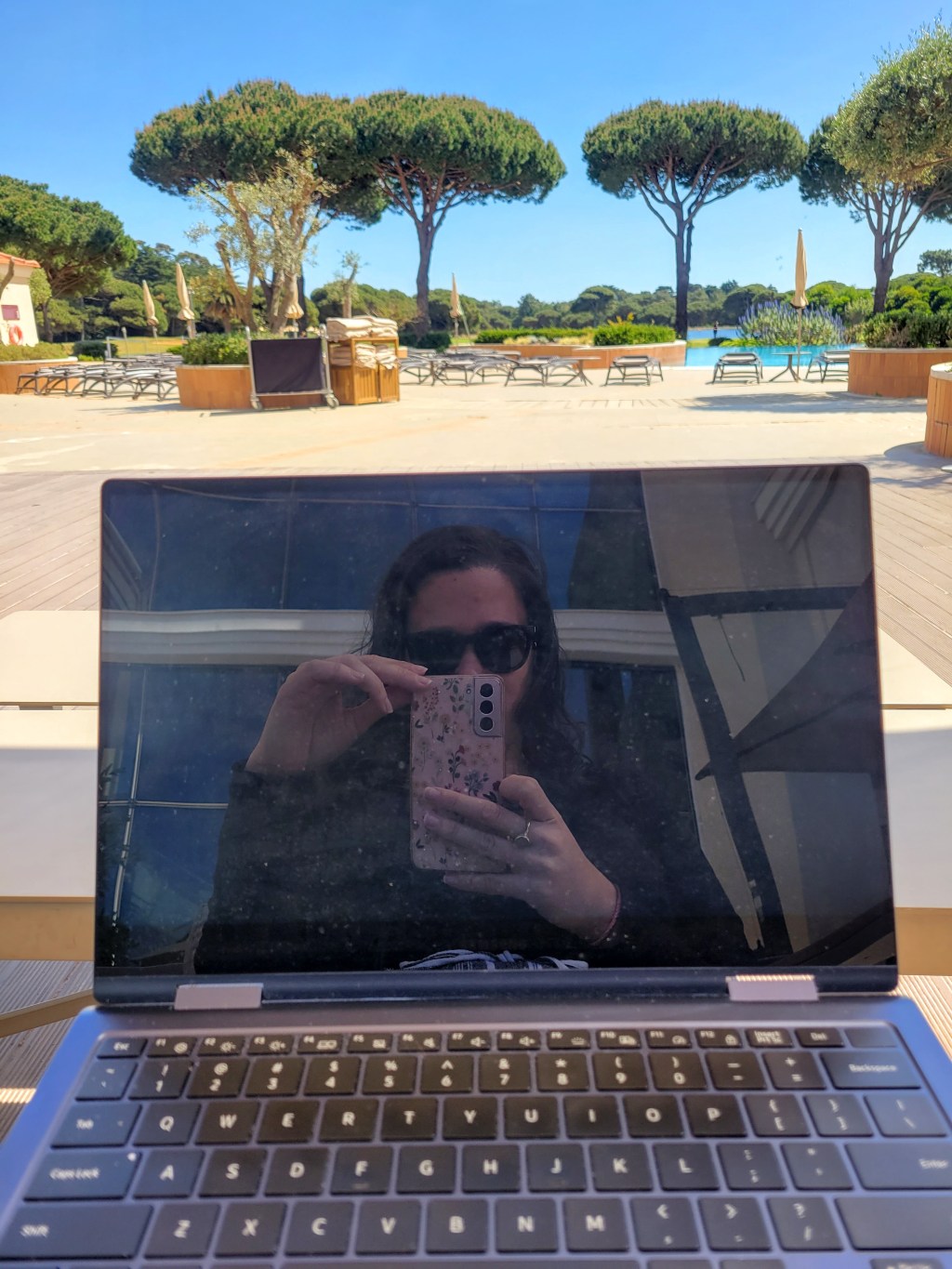
Recently I have seen a glut of articles proclaiming the rise of the CEO digital nomad. The authors seem to have missed entirely that the typical digital nomad has always been a CEO, and that the recent trend is to expand that privilege beyond the C-Suite. If you are considering the digital nomad lifestyle and are wondering about what it might mean for your career, here is a better picture of what it looks like to lead from afar.
The Corner Office is a State of Mind
Consider the definition of a digital nomad. A digital nomad is anyone who does their job mainly through digital means – i.e., on their phone and computer – and not from any fixed location. Because they can work from beyond the office, they in fact do so in more than one location. This describes the working patterns of many business leaders for the better part of the last hundred years.
CEOs have been working from home for as long as there have been CEOs. As you may have experienced when receiving that late-night call or email from your boss, CEOs and other executives work from everywhere. They often work from their home office, from their second homes and while on vacation. While the flexibility of their work location is a privilege, it also represents a high degree of responsibility in their job.
Why a Typical Digital Nomad is an Executive
Perhaps the term “digital nomad” conjures for you the romantic ideal of a student backpacker from their youth. While there are digital nomads, and nomads more broadly, of all stripes, today’s digital nomad has a very different profile. They tend to be more affluent, on average making six figures a year. They are also older than you might think, most typically in their 30s, for a few key reasons –
- Cost of living: It may be possible to live abroad on a tighter budget, or at a higher standard of living for the same price as it does back at home. However, this usually assumes a pretty high standard of living to begin with. Consider that digital nomad needs to be able to afford to pay for months worth of living expenses up front in the form of short term rental and flight expenses, as well as float large unexpected expenses that might be needed to ensure work continuity. For this reason alone, digital nomads are mainly from the USA, as well.
- Tenure: In order to have achieved this larger salary, as well as the leverage with your company to demand a full-time remote position, still mainly requires a skilled ‘knowledge economy’ worker with both formal education and years of experience. Alternatively, it requires a person to have built their own successful business, which also takes time.
- Minimal family obligations: Most digital nomads are single and are not primary caregivers for either children or adult family members. This reflects both their relatively high access to resources, as well as their overall focus on their professional life.
- Temperament: Leaving home behind to be a digital nomad requires a drastically independent mindset. Being a successful remote worker on an ongoing basis also requires a great deal of self discipline. These qualities mean a digital nomad is likely to already be a pretty successful employee, and even more likely to be an entrepreneur running their own business.
The pandemic accelerated an already growing trend towards expanding work location flexibility beyond the C-suite as a benefit for high-performing workers, creating further opportunities for such workers to become digital nomads. Changes in communications technology have made this either possible or an easier sell for those in management to trickle this benefit downward. They key is that even those who are more junior and, rightly or wrongly, are deemed to need closer supervision, can now be in close, even face-to-face, contact with their managers and team even from afar.
Growing Your Career as a Digital Nomad
The work from home phenomenon has primarily been about democratizing this privilege to roles beyond the very top level of a company. Once you have landed that remote job, how can you successfully navigate the corporate ladder as a digital nomad, even if you aren’t already in a leadership position? It’s all about working extra hard to build and maintain professional relationships.
- Inside the office: Proactively reach out to your coworkers and superiors. Reach out for a coffee chat, or even better, to discuss a problem you’ve identified and how you plan to solve it.
- Outside the office: Seek networking opportunities beyond work. You should be able to attend an in-person conference or join a professional meetup in your location if it is popular with other digital nomads.
- Online: Engage in meaningful digital interactions by following up with the connections you have made at work and in person periodically.
I wish you success on your digital nomad journey. If you would like more professional and travel advice, make sure to subscribe to the Corner Office Anywhere newsletter!
 Corner Office Anywhere
Leave a comment